


Introduction: In recent years, the rapid development of stem cell research has revolutionized the field of medicine. These tiny but powerful cells, for their unique ability to regenerate and differentiate, have high hopes for treating a variety of diseases. From regenerating damaged tissue to repairing dysfunctional organs, stem cells show amazing potential.
This article will reveal the mystery of stem cells and explore why this cutting-edge technology can bring new life to patients.
1. What are the stem cells?whence?
Stem cells are a class of cells with self-renewal and multiple differentiation potential, with the potential function of regenervarious tissues, organs and human body, which are known as "universal cells" in the medical community.
In popular terms, stem cells can be called the raw material of the human body, which can differentiate into all the various cells of the human body with specific functions. In vivo or under appropriate laboratory conditions, stem cells can divide into more daughter cells. These daughter cells either become new stem cells (self-renewal), or they become specialized cells with specific functions, such as blood cells, brain cells, heart muscle, or bones. That is, stem cells have the natural ability to generate new cell types.
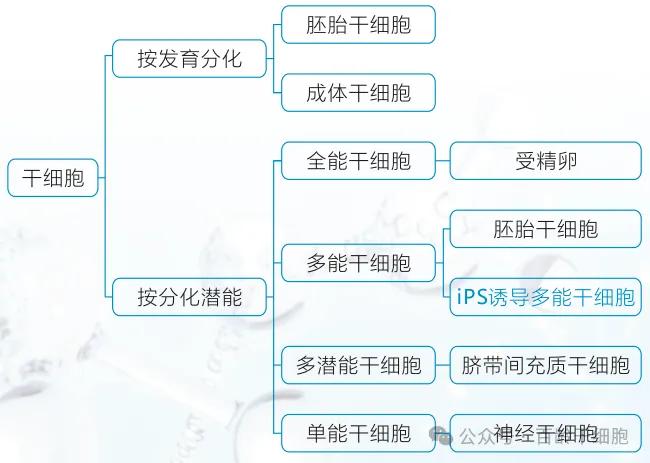
Stem cells not only exist in the embryo, but also in the adult body, which can isolate the corresponding stem cells from umbilical cord blood, umbilical cord, placenta, bone marrow, fat, blood and other tissues. According to the different developmental stages of the human body, stem cells can be divided into: embryonic stem cells, perinatal stem cells and adult stem cells. According to their developmental potential, stem cells can be divided into totipotent stem cells, pluripotent stem cells and unipotent stem cells (specialized stem cells).
2. Three core functions of stem cells
First, stem cells possess the ability to undergo multidirectional differentiation, meaning that they can differentiate into a variety of different cell types. This differentiation process enables stem cell transformation, as needed, into specific cell types to maintain and repair damaged tissues and organs.
Secondly, stem cells have a self-replicating capacity, that is, they are able to divide into new cells with the same capabilities and properties as themselves. This replication capacity allows stem cells to play a critical role in maintaining environmental stability and cell renewal within the body.
Finally, stem cells also have a paracrine function, that is, they can secrete a variety of bioactive substances, including soluble cytokines, chemokines, growth factors, microRNAs, proteases, and extracellular vesicles, etc. These substances play important roles in cell to cell signaling, tissue repair and regeneration.
3. What is the role of stem cells?
In simple terms, stem cells play six roles:
1. Regulation and suppression of the immune system: Stem cells have unique immunomodulatory functions, which can play a significant effect on autoimmune diseases such as rheumatoid arthritis. By modulating the activity and function of immune cells, stem cells can reduce excessive immune responses, thereby reducing inflammation and joint pain.
2. Remanufacture blood vessels to improve blood circulation: stem cells can differentiate into vascular endothelial cells and promote the formation of new blood vessels, which is of great significance for the treatment of vascular sclerosis and other vascular diseases. Newly generated blood vessels improve circulation and reduce burden on the heart, thus relieving related symptoms.
3. anti-inflammatory effect: stem cells can secrete a variety of anti-inflammatory factors, inhibit the development of arthritis, vasculitis and other inflammatory diseases vasculitis. These anti-inflammatory factors are able to reduce the production of inflammatory mediators, relieve inflammatory symptoms, and protect the tissue from further damage.
4. Antioxidant effect: stem cells have significant antioxidant function, which can remove reactive oxygen free radicals in the body and reduce oxidative stress response. This helps prevent cell aging, keep the tissue healthy and delay the aging process.
5. Promote tissue regeneration and repair: stem cells can be differentiated into a variety of tissue cells to help damaged or disordered tissues for regeneration and repair. Whether it is skin trauma, myocardial injury or neurodegenerative disease, stem cell therapy can provide a new source of cells for the damaged tissue and promote tissue recovery and functional reconstruction.
6. Anti-apoptotic effect: stem cells can secrete anti-apoptotic factors to prevent cell death. This is important for protecting the damaged tissue and maintaining the tissue homeostasis. By inhibiting apoptosis, stem cell therapy is able to promote tissue survival and repair and improve therapeutic efficacy.
4. What are the factors affecting stem cells?
In stem cell regenerative medicine, cell quality and cell number are two crucial factors to ensure the safety and efficacy of treatment. Simply having a large number of cells, if of poor quality, may not only reduce the therapeutic effect, but may sometimes put an additional burden on the body. Factors affecting the number of stem cell doses are:
1. Proliferation and division ability: There are individual differences in the proliferation and division ability of stem cells. The patients own proliferation and division capacity had a significant effect on the final number of culturable cells.
2. Number of culture generations: With the increase of culture generations, the number of cells will increase accordingly. But at the same time, the quality of the cell may gradually decline. To ensure a high quality of cells, it is generally recommended to complete within four to five culture generations. In this range of generations, 50 to 200 million cells can usually be expected.
3. Serum and medium environment: Cell culture requires safe stem cell culture technology and high-quality culture medium. Culture and expansion of stem cells in the absence of serum and species (e. g., animal serum) has these advantages: minimizing the risk of pathogen infection, standardizing the culture process and homogenization, eliminating the dependence on serum, thus adjusting and optimizing the growth conditions of various cells.
In conclusion, in order to ensure the safety and effectiveness of stem cell therapy, cell quality, cell number, and the various influencing factors must be considered comprehensively to develop the most suitable treatment plan for patients
5. What are the indications for stem cells?
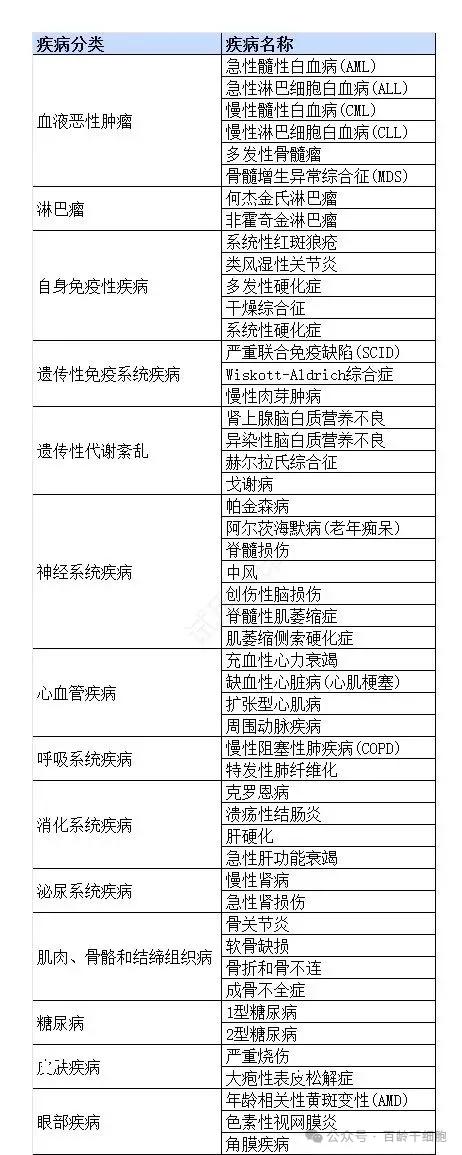
Stem cells have been applied for treating a variety of diseases because of their unique regeneration and repair capabilities. More than 6,000 clinical trials are underway worldwide, covering 200 indications covering eight systemic diseases.
These indications include, but are not limited to, respiratory diseases (e. g. COVID-19, COPD, pulmonary fibrosis), neurological disorders (e. g. stroke, Parkinsons disease), endocrine system diseases (e. g. diabetes), motor system diseases (e. g. osteoarthritis), immune system diseases (e. g. systemic lupus erythematosus), reproductive system diseases (e. g. intrauterine adhesion), circulatory system diseases (e. g. acute myocardial infarction), and digestive system disorders (e. g. liver cirrhosis).
The potential of stem cell therapy lies in its ability to improve or restore the function of damaged tissues, providing new therapeutic approaches for diseases refractory to conventional treatments. Without further ado, we can understand what stem cells can do right now:
In conclusion, the potential of stem cell therapy as a revolutionary medicine in disease treatment is gradually being recognized by the scientific community and medical practice. With further research and technological advances, stem cell therapy is expected to provide new solutions for multiple difficult-to-cure diseases, thus improving patient quality of life and prolonging life expectancy.
Source: Hundred-age stem cells
The companys product recommendation:
1.268542-15-0 https://www.bicbiotech.com/product_detail.php?id=5440
2.3270-89-1 https://www.bicbiotech.com/product_detail.php?id=5441
3.268209-95-6 https://www.bicbiotech.com/product_detail.php?id=5442
4.193633-60-2 https://www.bicbiotech.com/product_detail.php?id=5443
5.117391-53-4 https://www.bicbiotech.com/product_detail.php?id=5444