


In recent years, the rapid advancement of emerging technologies like organ-on-a-chip and artificial intelligence (AI) has brought transformative changes to traditional animal testing practices. Major U.S. agencies including the Food and Drug Administration (FDA), Environmental Protection Agency (EPA), and National Institutes of Health (NIH) have announced plans to reduce reliance on animal testing, instead promoting more efficient and ethically sound "new alternative methods" (NAMs). This shift not only promises to save millions of laboratory animals but also accelerates drug development while reducing research costs.
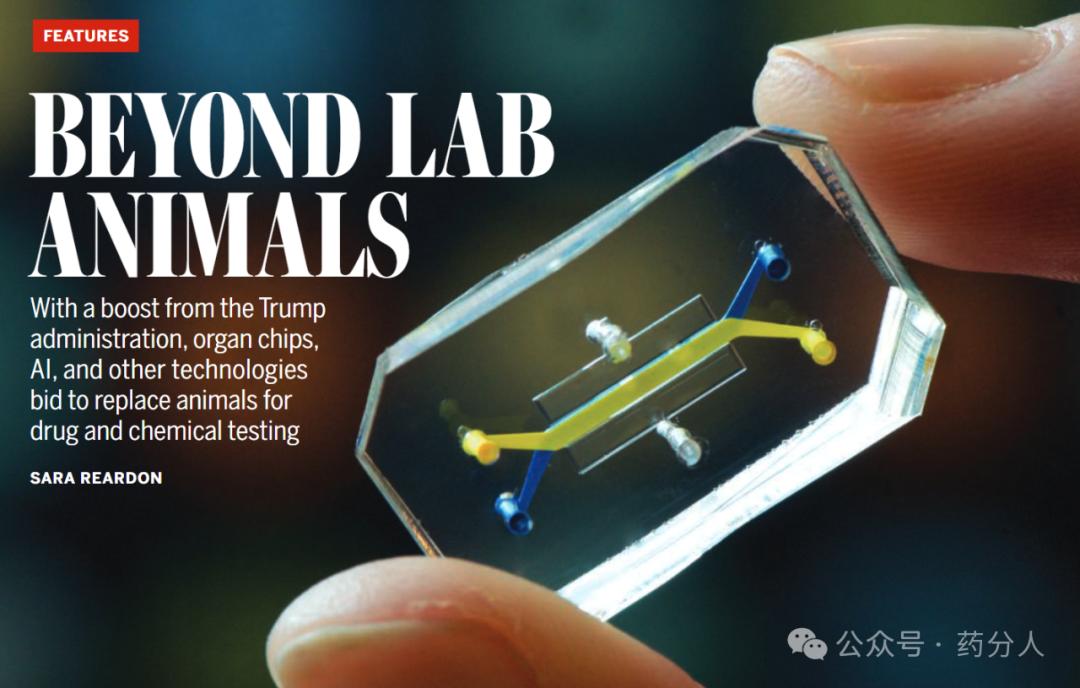
Organ chips: miniature replicas of the human body
The liver-on-a-chip developed by Boston-based biotech firm Emulate Inc. has become a benchmark in this field. By simulating the microenvironment of human livers, epithelial cells, and immune cells, this technology identifies compounds causing drug-induced liver injury (DILI) with 87% accuracy, while achieving 100% accuracy in excluding harmless substances. Currently, the FDA has included it in a pilot program, enabling pharmaceutical companies to directly apply for clinical trials using chip data and bypass certain animal testing phases.
Thomas Hartung, a pharmacologist at Johns Hopkins University, noted that these "microphysiological systems" (MPS) can more accurately reflect the structure and function of human organs. Models based on human cells and data "may be more suitable than animal models for predicting human responses." Alongside organ-on-a-chip technology, organoids (miniature organ models cultivated from stem cells) and AI algorithms are rapidly emerging. The latter can predict chemical toxicity through molecular structures, significantly reducing screening time.
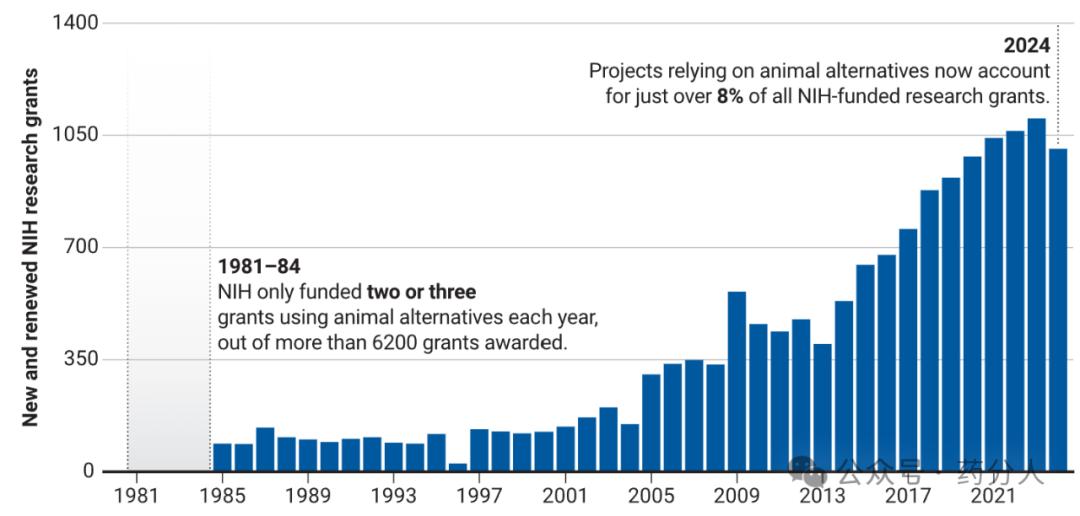
Policy shift: from "must" to "encouraged"
In 2022, the Biden administration removed the FDA's mandatory requirement that "all drugs must undergo animal testing," while the EPA aims to phase out mammalian testing entirely by 2035. The NIH announced in July this year that it would discontinue funding research projects relying solely on animal models. Although these policies remain non-binding, they send a clear signal. FDA Commissioner Martin Makary emphasized: "Animal models have shown poor predictive accuracy in areas like cancer, immune disorders, and neurological diseases. Transitioning to next-generation animal models (NAMs)will be a win-win for both public health and ethics."
However, this progress still faces challenges. Matthew Bailey, President of the American Association for Biomedical Research, pointed out that not all physiological responses can be simulated by AI or chips. Prematurely abandoning animal testing could lead to tragedies—— For instance, the leukemia drug TGN1412 was shown to be safe in animal trials but triggered a fatal immune response in human trials. Moreover, some countries still mandate reliance on animal data, forcing multinational pharmaceutical companies to maintain traditional methods.
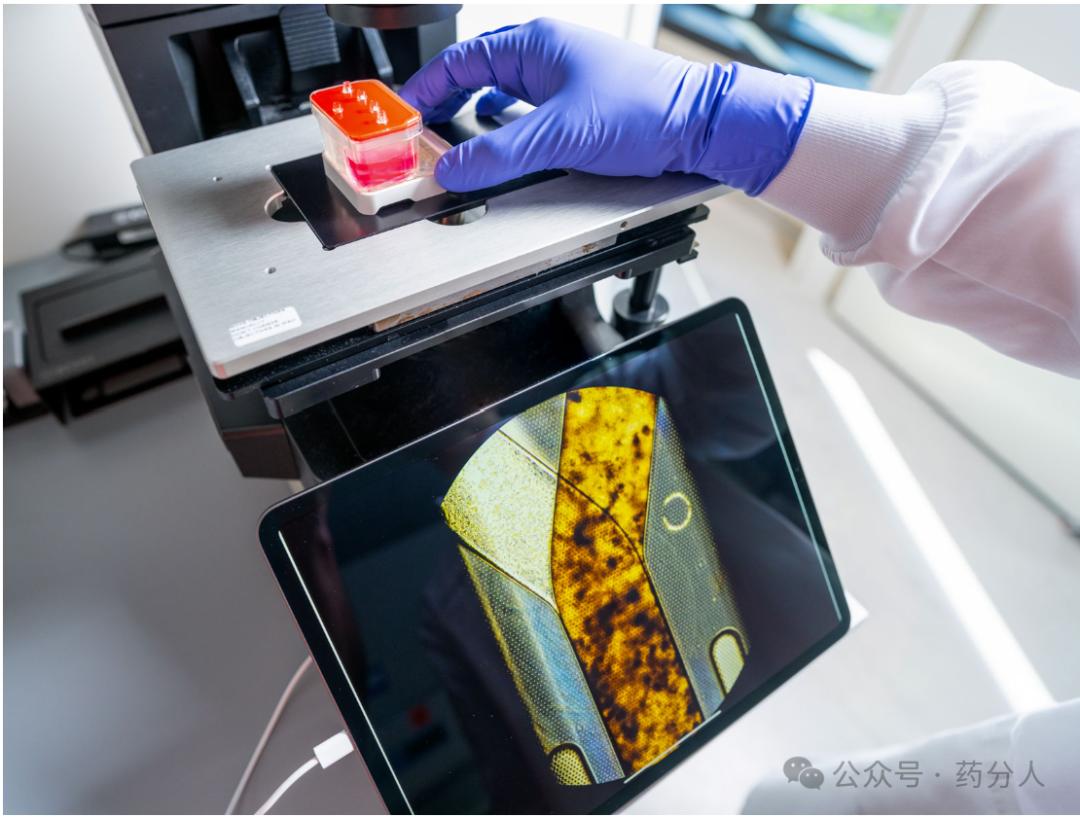
A bone marrow organ chip contains all types of immune and structural cells found in real tissue, which can be used to model disease or study how cells respond to drugs
Experts generally agree that the promotion of Non-Aggravating Models (NAMs)must be grounded in rigorous scientific validation. Megan LaFollette from the non-profit 3Rs Collaborative emphasized: "Technologies should serve as a supplement to animal research rather than a replacement, and have not yet reached the stage of complete replacement." Meanwhile, regulatory agencies need to enhance staff training programs and eliminate reviewers' "inertia bias" toward traditional models.
Despite the controversy, the shift is unstoppable. "When technology can serve human health more precisely, the scientific community will naturally choose," says scientists at Emulate. Driven by ethics, efficiency and scientific breakthroughs, the era of laboratory animals may finally be over.
consult :
https://www.science.org/content/article/u-s-wants-phase-out-animal-research-are-alternatives-ready
The above sources: AI wins the future, copyright interpretation rights belong to the original author
Disclaimer: This article is only for the purpose of knowledge exchange and sharing, and does not involve commercial publicity, and does not serve as relevant medical guidance or medication advice. If there is any infringement, please contact us for deletion.
Our products are recommended:
1.5391-39-9 https://www.bicbiotech.com/product_detail.php?id=6359
2.332360-05-1 https://www.bicbiotech.com/product_detail.php?id=6360
3.1590502-62-7 https://www.bicbiotech.com/product_detail.php?id=6361
4.230615-52-8 https://www.bicbiotech.com/product_detail.php?id=6362
5.230615-59-5 https://www.bicbiotech.com/product_detail.php?id=6363